CONIL DE LA FRONTERA
A LANDSKAPE WHERE NATURE, MEMORY, AND THE DIVINE CONVERGE
Conil de la Frontera is a place where the world feels both ancient and vividly alive. It stands between the open Atlantic and the quiet Andalusian fields, and this meeting point shapes its unique presence. Here, nature and history do not remain separate; they intertwine, forming a landscape where the human spirit naturally rises toward something larger and more luminous.
Certain sites in Conil reveal this connection with unusual clarity. They show how people across centuries, fishermen, farmers, explorers, and wanderers, have read the land and the sea as gateways to meaning, places where the divine quietly touches everyday life.
The Atlantic Coast: The Line Where Humanity Faces the Infinite
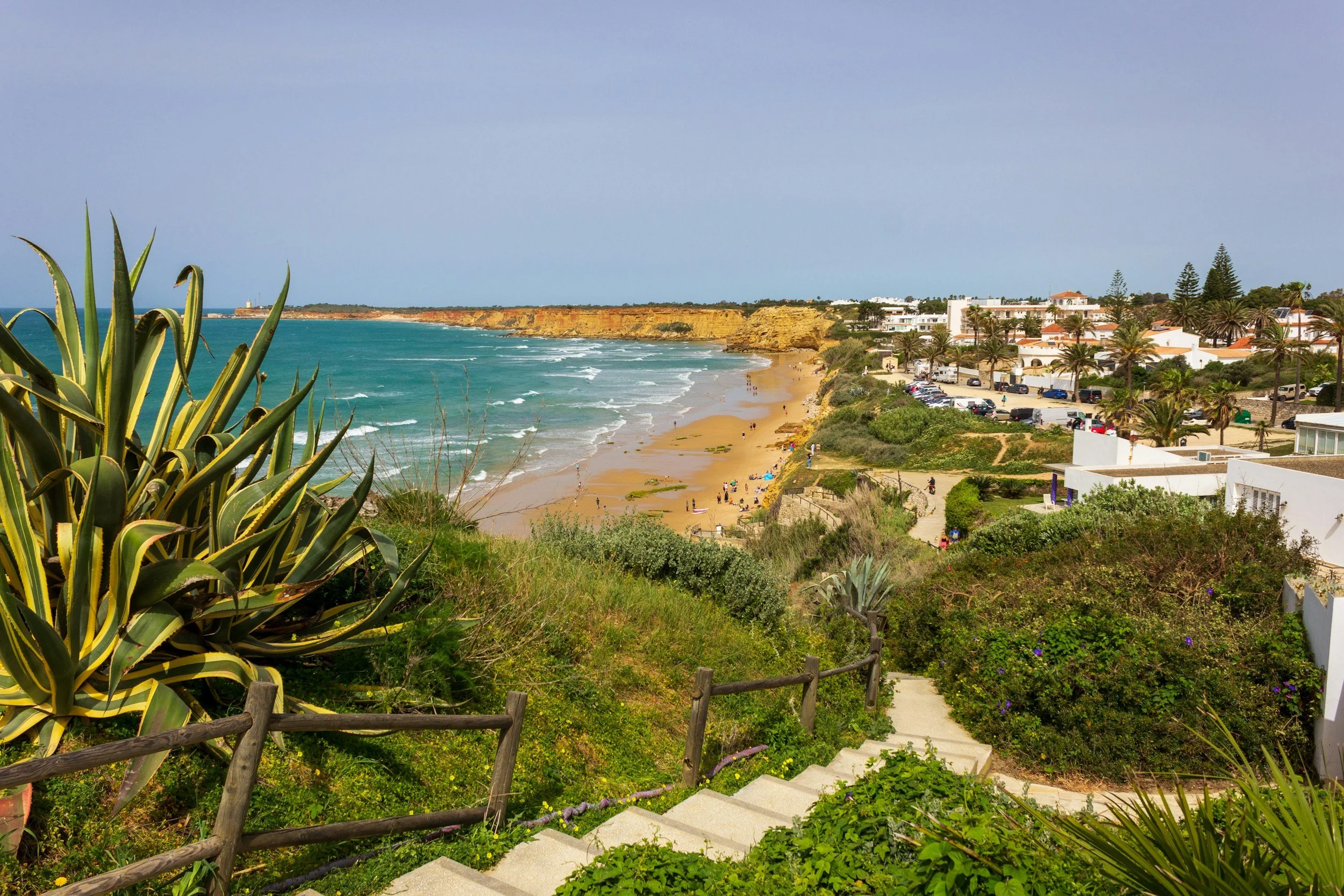
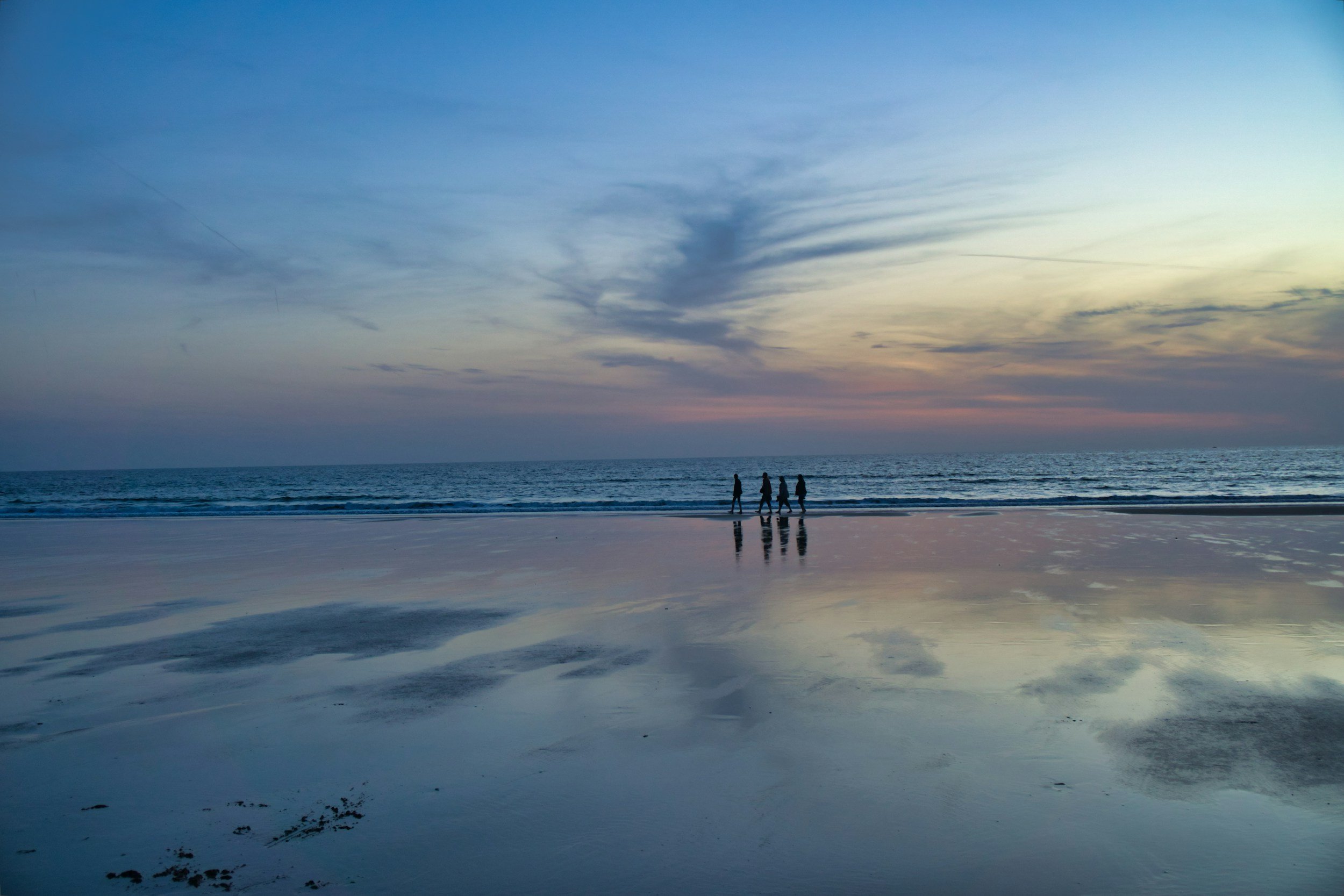
Along Conil’s coastline, the horizon forms a perfect straight path into the unknown. Civilizations have travelled these waters for thousands of years, Phoenicians searching for new routes, Romans expanding their empire, Arab-Andalusian sailors interpreting the winds.
Standing at Playa de los Bateles or Playa de la Fontanilla, one enters the same dialogue they once experienced. The sea becomes a mirror of the inner world: shifting, powerful, unpredictable.
It is a place where questions expand, where personal concerns meet the vastness of existence.
The waves carry history, but they also carry the quiet reminder that humanity has always lived between certainty and mystery.
The Cliffs of El Chorrillo: A Meeting of Wind, Stone, and Spirit
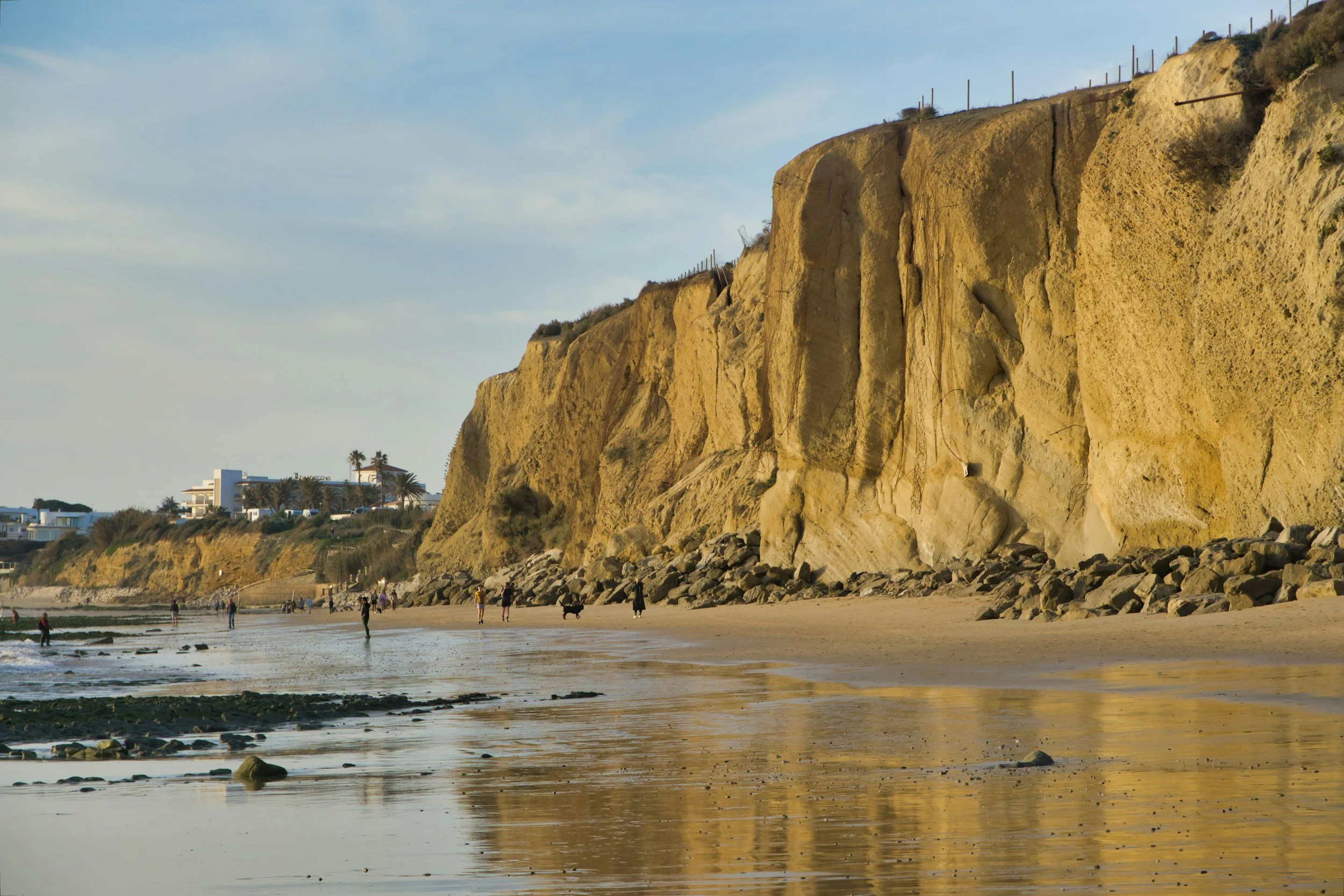
The cliffs near El Chorrillo are among Conil’s most striking spaces. Their surfaces hold the memory of storms, tides, and centuries of wind. Here, nature is not soft but honest, showing its true scale.
From these cliffs, the sea feels wider and time feels deeper. The layers of rock tell a story far older than any human structure. And yet, standing there, people often feel more grounded, not smaller, but more aware of their place in the world.
This is why the cliffs have long served as spaces of contemplation. They remind the observer that the divine sometimes appears not as comfort, but as clarity: a moment of recognizing how everything fits into a larger rhythm.
The Torre de Guzmán: A Vertical Path Toward Understanding
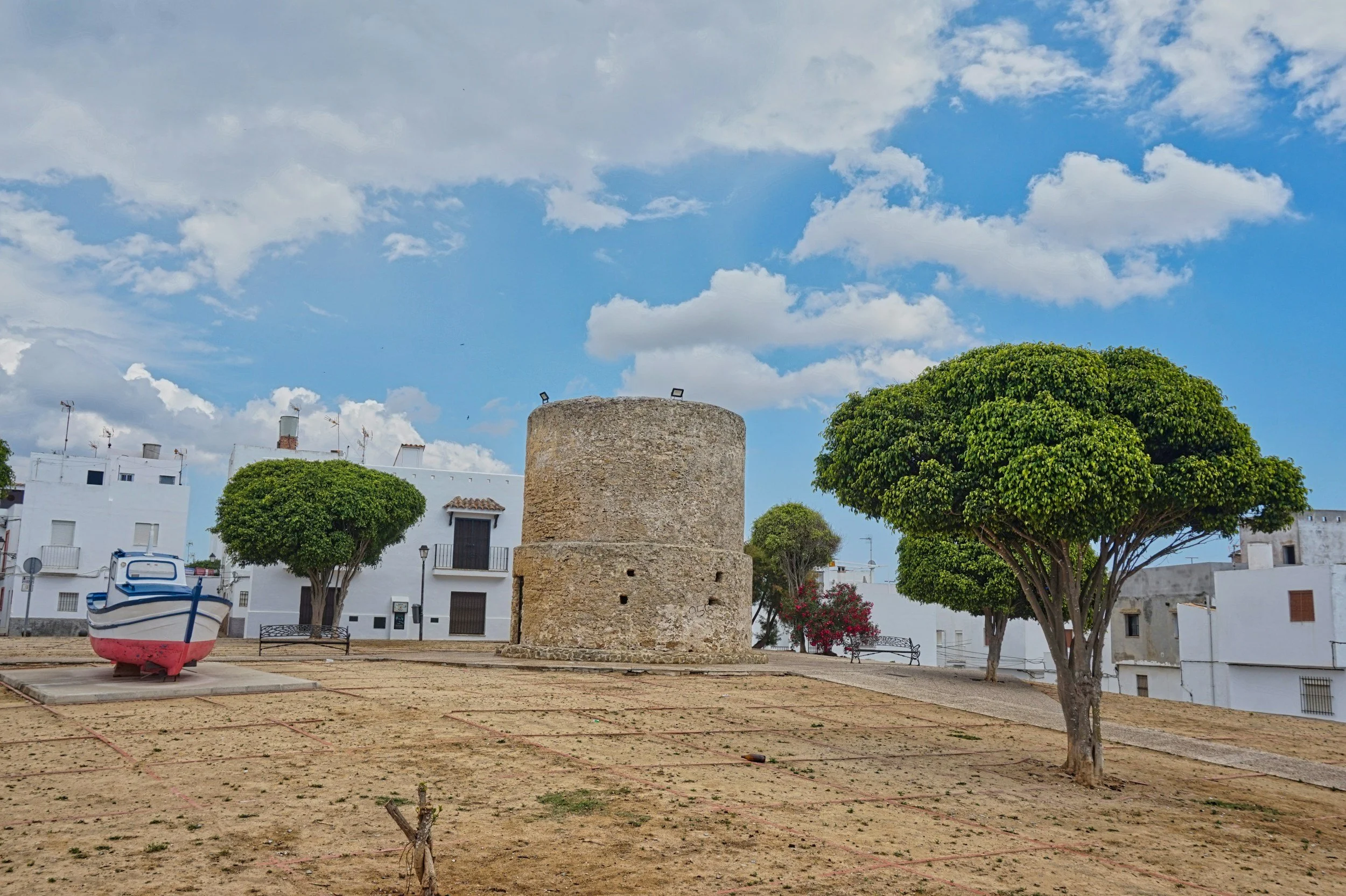
In the heart of Conil, the Torre de Guzmán rises above the town. Built in the 14th century as a watchtower, it has witnessed centuries of fear, protection, trade, and transformation.
Its stones hold countless human intentions, survival, vigilance, and the desire to understand what lies beyond the visible. From a philosophical point of view, the tower represents the vertical journey: the human attempt to rise above daily life, to gain perspective, to see the world from a higher plane.
Even today, standing near it evokes a quiet sense of elevation. It is a reminder that seeking knowledge and seeking the divine often follow the same upward path.
The Old Town: A Living Tapestry of Human Continuity
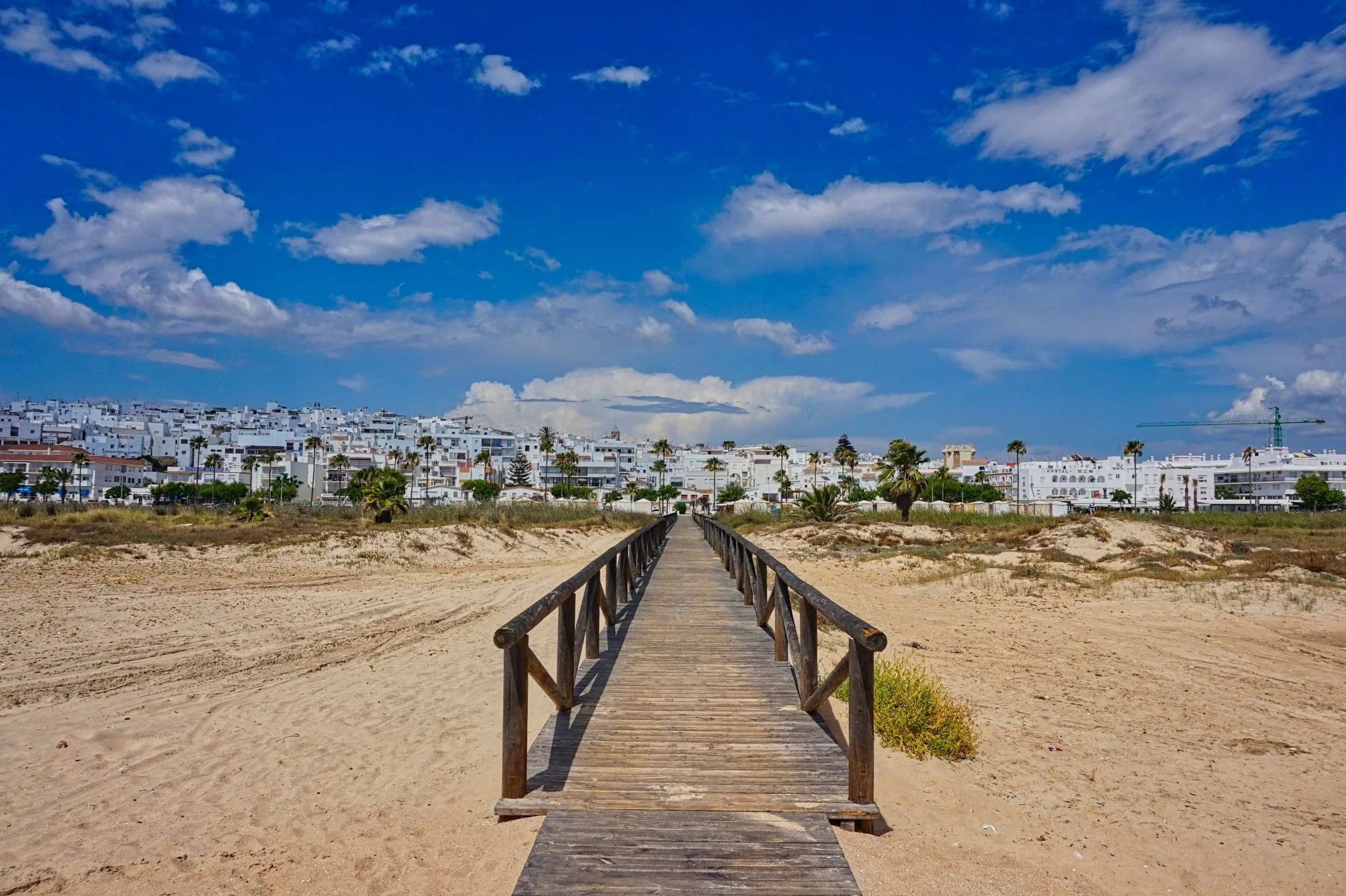
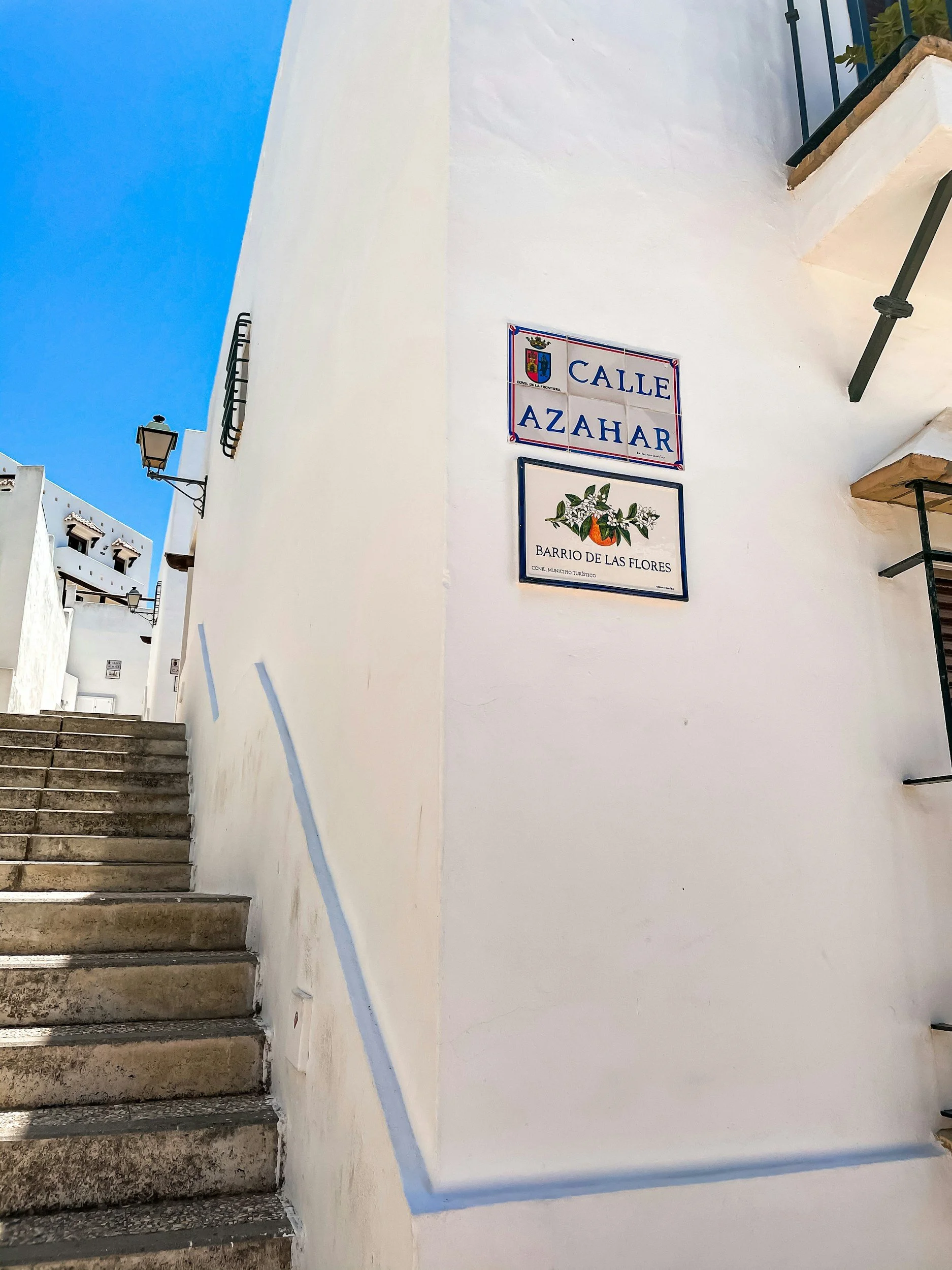
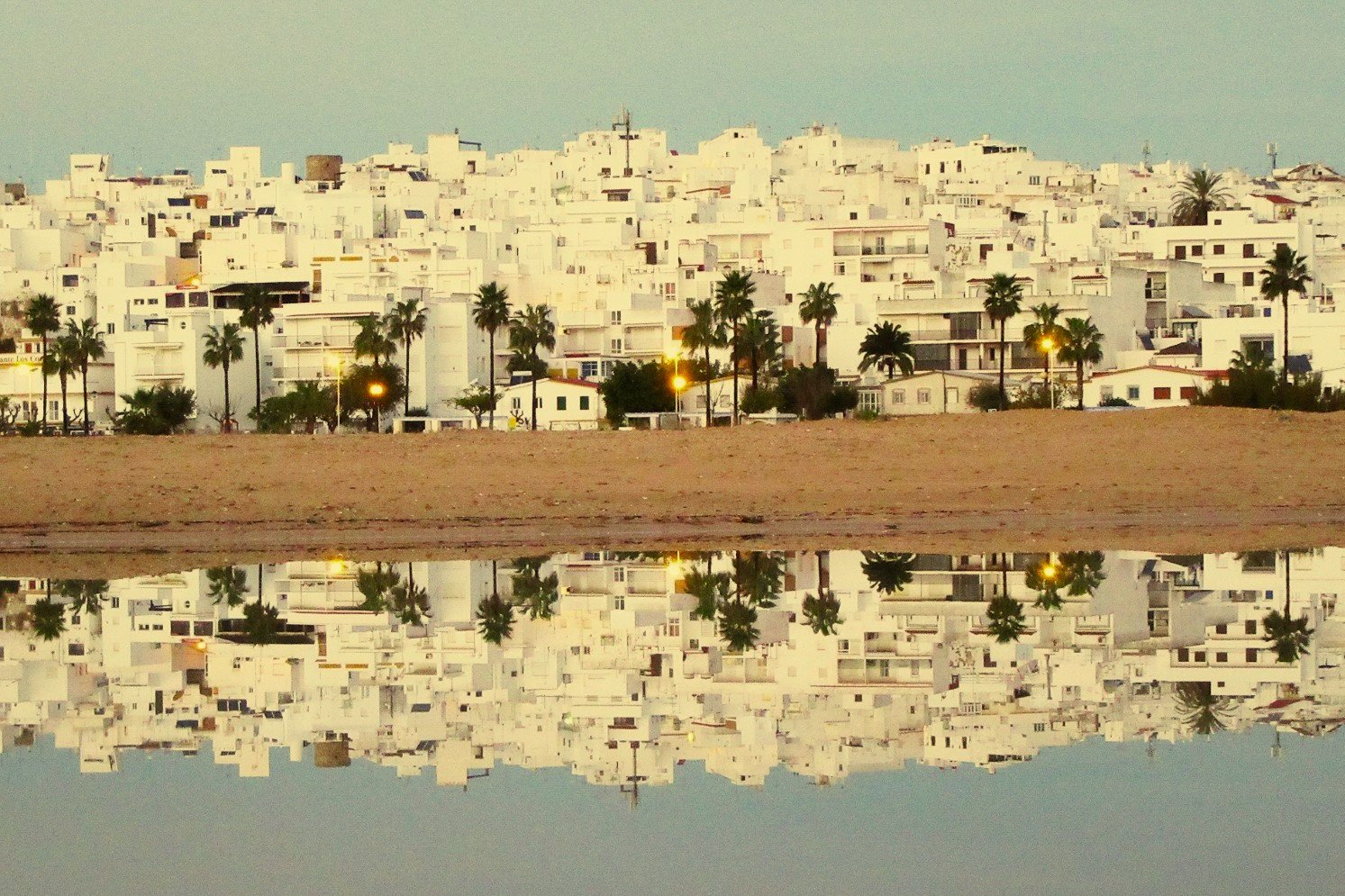
Conil’s old town is a network of narrow streets, white walls, and small squares shaped by centuries of shifting cultures. Its structure reflects practical wisdom, shade for the heat, closeness for community, but also reflects a deeper truth: human life is built through shared space.
Walking through the old town is to walk through time. Every corner suggests that the past has not disappeared; it lives in the design of the streets, in the scent of the courtyards, in the simplicity of everyday movement.
The old town carries a soft form of divinity: the beauty of human continuity, the quiet miracle of people building lives on the foundations left by others.
The Fields of Conil: The Land Where Rhythm and Renewal Take Form
Beyond the coastline, the fields stretch into the Andalusian countryside. Historically, they provided wheat, vegetables, olive oil, and grazing land. They were cultivated through Roman techniques, enhanced by Arab irrigation, and maintained through generations of rural knowledge.
The fields represent a different kind of sacredness than the sea. Where the ocean teaches movement, the land teaches rhythm. Where the sea confronts, the earth supports.
The cycles of planting, growing, and harvesting create a pulse that echoes the structure of human life. Many describe these fields as energetically calm, a space where the mind settles and the body feels connected to something fundamental and enduring.
La Fuente del Sol: A Symbol of Shared Life and Continuous Renewal
The Fuente del Sol may look modest, but its meaning runs deep. Historically, it provided water for the town, a basic necessity, but also a reminder that life flows through collective sources.
Philosophically, the fountain represents renewal. The steady movement of water reflects the steady movement of time, and the way each generation draws from the same essential currents.
It is one of Conil’s quiet spiritual centers: a place where life, community, and continuity meet.
Conil as a Living Conversation Between Humanity and the Divine
The essence of Conil lies in the way its landscapes guide human perception.
The sea opens the mind.
The cliffs strengthen the spirit.
The tower elevates understanding.
The old town preserves memory.
The fields slow the heart into rhythm.
The fountain reminds us of shared existence.
Together, they create a territory where the divine is not distant. It is present in the wind, in the light, in the stones, and in the structures built by human hands. Conil de la Frontera is the kind of place where the past and present do not oppose each other, they rise together, shaping an experience of life that is grounded, expansive, and quietly sacred.